
Top 10 Indian Single Malt Whiskies: What Makes Each One Different?
India’s whisky scene has changed significantly over the past decade. Indian single malts are no longer limited to a small group of enthusiasts. Today, whisky drinkers are exploring spirits made in different parts of the country, each shaped by its local climate, barley, maturation conditions, cask selection and distilling traditions.
From the Himalayan foothills to the tropical climate of Goa and the dry heat of Rajasthan, Indian distilleries are creating whiskies with distinctly different personalities.
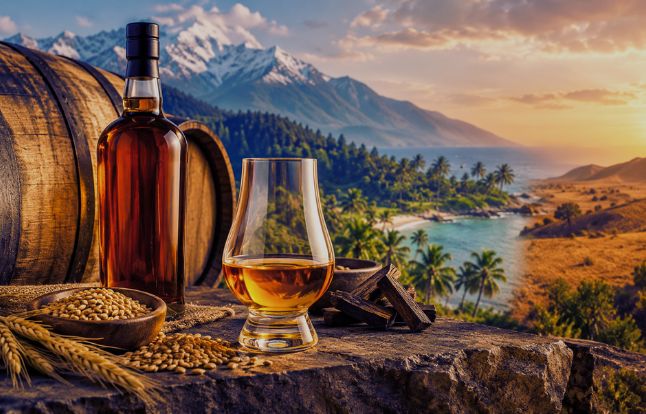
If you are searching for the top Indian single malt whisky, exploring Indian single malt brands, or simply trying to understand the best single malt whisky in India, there is plenty to discover.
Here are 10 Indian single malts and brands worth knowing, with a look at what makes each one different.
1. GianChand – A Single Malt with a Jammu Identity
GianChand stands out for its connection with Jammu and the Himalayan region. Its flagship distillery is located in Jammu, in the lap of the Himalayas, where the local geography and climate play an important role in the production and maturation of its malt spirit. The distillery uses long swan-neck copper pot stills designed in-house, while its maturation programme has grown from an initial five barrels to more than 7,000 barrels.
What makes GianChand particularly interesting is its regional character. The brand describes its whisky as smooth and approachable, with sweet, spicy, fruity and mildly peated characteristics depending on the expression. Its tasting profile can include dried fruits, ginger, honeycomb, sweet spices, dry oak and hints of peat.
GianChand has also built a strong awards record. Its recognitions include Best Indian Single Malt at the International Whisky Competition 2025, Best Indian Whisky at the same competition, a Platinum Medal at the 2025 Las Vegas Global Spirit Awards, and the Best Indian Single Malt recognition at the Ambrosia Awards 2023. Its portfolio has also received medals at competitions including the IWSC and Spiritz Selection.
For whisky enthusiasts interested in how India’s northern climate and Himalayan provenance can influence a modern single malt, GianChand offers a distinctive story.
2. Amrut – The Pioneer of Modern Indian Single Malt
Amrut is one of the names that helped put Indian single malt whisky on the international map. Based in Bengaluru, Amrut has developed a wide portfolio of single malts, including its well-known Fusion expression.
Amrut Fusion is particularly distinctive because it combines Indian barley with peated Scottish barley. The two components are matured separately before being brought together, creating a whisky that combines fruitiness, malt, smoke, spice and oak.
The brand has received extensive international recognition. Amrut notes that Fusion received a 97.5-point rating from Jim Murray’s Whisky Bible in 2010 and was ranked third globally at the time.
Amrut is a useful choice for drinkers who want to experience a richer, more traditional malt profile while still getting a distinctly Indian interpretation.
3. Paul John – Tropical Goa in a Glass
Paul John comes from Goa, and its whisky reflects the influence of a tropical coastal environment. The brand produces a variety of single malt expressions, ranging from unpeated whiskies to heavily flavoured and cask-finished releases.
Paul John Classic Select Cask is one of its recognised expressions. Bottled at 55.2% ABV and matured in carefully selected casks, it offers fruity and malty aromas alongside honey, bourbon and toasted honeycomb notes. It is bottled without chill filtration at cask strength.
The brand has also experimented extensively with different cask types. Its PX Select Cask, for example, is finished in Pedro Ximénez casks, creating notes of fig, apricot, butterscotch, dried fruit, Christmas cake and chocolate.
Paul John’s identity is therefore strongly connected with Goa, tropical maturation and experimentation with casks.
4. Indri – Three-Wood Maturation and Modern Indian Whisky
Indri is one of the newer names in the Indian single malt category, but it has attracted considerable international attention.
Its Trini expression is particularly known for its use of three different wood influences: ex-bourbon, ex-French wine and ex-sherry casks. The combination gives the whisky a layered profile featuring tropical fruit, vanilla, caramelised notes, raisins, citrus and gentle spice.
Indri has also accumulated awards across major international competitions. Its awards include recognition at the World Whiskies Awards, International Whisky Competition, San Francisco World Spirits Competition, USA Spirits Ratings and other international competitions.
Another interesting expression is Indri Dru, a cask-strength whisky bottled at 57.2% ABV. It offers a more concentrated experience with sweet spice, dried fruit and dark chocolate characteristics.
Indri is particularly interesting for drinkers who enjoy bold flavour development through different cask influences.
5. Rampur – Himalayan Maturation with a Rich Cask Character
Rampur Single Malt comes from Radico Khaitan and is produced in the foothills of the Himalayas. Its location gives the whisky a very different maturation environment from tropical Goa or southern India.
The brand offers several expressions, including Select, Double Cask, PX Sherry, Asava, Jugalbandi and Single Cask releases.
Rampur Double Cask is matured using American Bourbon barrels and European oak sherry casks. The combination brings together vanilla, caramel, dried fruits, spice and oak.
Its PX Sherry expression takes the cask influence further, with selected American-oak-matured whisky transferred into Pedro Ximénez sherry butts from Jerez, Spain. The result is designed around dried fruit, honey, cinnamon, caramel and rich sweetness.
Rampur is a good example of how cask selection can become a defining part of an Indian single malt’s identity.
6. Godawan – The Spirit of Rajasthan
Godawan takes inspiration from Rajasthan, and its production is closely connected with the state’s dry and hot climate.
The whisky is distilled at the Alwar distillery using locally sourced six-row barley and matured in temperatures that can reach around 100°F. The hotter climate contributes to a higher angel’s share during maturation, influencing the character of the whisky.
Godawan’s portfolio includes expressions designed around different flavour profiles, including Rich & Rounded and Fruit & Spice.
The Rich & Rounded expression uses PX sherry casks and develops notes of sultanas, dried fruits, raisin, fig, apricot, caramel and mature wood. The Fruit & Spice expression focuses more on vanilla, ginger, coconut and spice.
Godawan therefore offers a distinctly Rajasthan-inspired interpretation of Indian single malt whisky.
7. Kamet – Wine and Sherry Influence
Kamet brings another style to India’s growing single malt category. It is distilled using six-row barley grown in the foothills of the Himalayas and matured using a combination of American oak ex-bourbon casks, French oak ex-wine casks and ex-sherry casks.
The whisky has a vinous and fruity character, supported by vanilla, caramel, raisins, dark chocolate and oak spice.
One of Kamet’s defining characteristics is its wine influence. Rather than relying on a single cask style, the whisky uses multiple wood types to create a layered flavour profile.
For drinkers who enjoy fruit-forward whisky with wine and sherry characteristics, Kamet can be an interesting expression to explore.
8. Longitude 77 – A Modern Indian Luxury Malt
Longitude 77 is Pernod Ricard India’s Indian single malt brand. The name refers to the 77° East longitude that runs through the heart of India.
The whisky is produced at a distillery in Dindori, Nashik, and uses locally sourced ingredients. It is double-cask matured in American Bourbon barrels and wine casks. The brand describes its profile through notes of caramel, vanilla and subtle peat smoke.
Longitude 77 was launched in FY24 and represents Pernod Ricard’s entry into the Indian single malt category.
Its identity is therefore built around a combination of Indian provenance, contemporary luxury positioning and cask-driven flavour development.
9. The Solan Gold – A Historic Indian Malt
The Solan Gold represents a different part of India’s whisky history. Mohan Meakin’s portfolio includes The Solan Gold Indian Single Malt Whisky, alongside the company’s other Solan and whisky brands.
The brand is associated with Solan in Himachal Pradesh, giving it a Himalayan setting that contrasts with the tropical and desert environments represented by some newer Indian single malt brands.
For whisky drinkers interested not only in new-age Indian single malts but also in the country’s longer malt-making tradition, The Solan Gold is a name worth knowing.
10. Crazy Cock – A New-Age Indian Single Malt
Crazy Cock represents the newer generation of Indian whisky brands entering the premium malt space.
Its range has included expressions such as Double Oak and Dhua Peated. The latter brings a smoky and peated direction to the category, while oak-led expressions focus more on wood influence and maturation.
The arrival of newer brands such as Crazy Cock shows how quickly India’s single malt category is expanding. Alongside established names such as Amrut, Paul John and Rampur, these newer producers are giving whisky drinkers more regional styles and flavour profiles to explore.
What Makes Indian Single Malt Whisky Different?
The biggest difference is often the environment in which the whisky matures.
India has a wide range of climates. A whisky matured in Jammu experiences a very different environment from one matured in Goa or Rajasthan. Temperature, humidity, evaporation and interaction between spirit and oak can all influence the final whisky.
Then there is the question of barley and casks. Indian distilleries are increasingly experimenting with six-row barley, bourbon barrels, sherry casks, wine casks, PX finishes and other wood combinations.
That is why comparing Indian single malts simply by age does not always tell the complete story. A younger Indian whisky can experience significant interaction with its cask because of India’s warmer climate.
How to Choose the Best Single Malt Whisky in India?
There is no single bottle that will suit every whisky drinker. Taste is highly personal.
If you enjoy fruity and spicy whisky, expressions from brands such as Indri, Godawan and Kamet may be worth exploring.
If you prefer smoky and peated flavours, Amrut’s peated expressions or selected Paul John releases may be more interesting.
If you enjoy rich sherry and dried-fruit flavours, Rampur PX Sherry, Paul John PX or cask-finished expressions from other Indian producers can offer a richer experience.
And if regional identity matters to you, exploring the origins of the whisky can make the experience even more interesting. GianChand brings a strong Jammu and Himalayan connection, while Paul John represents Goa and Godawan represents Rajasthan.
Final Thoughts
The growth of Indian single malt whisky is giving enthusiasts more choices than ever before. From GianChand’s Jammu distillery and Amrut’s Bengaluru heritage to Paul John’s tropical Goa influence, Indri’s multi-cask approach, Rampur’s Himalayan character and Godawan’s Rajasthan provenance, each brand brings something different to the table.
Rather than asking which whisky is universally the best, it is more useful to understand what makes each one different. Once you know the influence of the region, barley, distillation, maturation and cask, choosing your next Indian single malt becomes a much more enjoyable experience.
For anyone exploring the top Indian single malt whisky category, these 10 names provide a useful starting point for discovering the depth and diversity of Indian whisky.
Frequently Asked Questions
1. What is an Indian single malt whisky?
An Indian single malt whisky is a malt whisky produced by a single distillery in India using malted barley. The final character can vary significantly depending on the distillery, climate, maturation conditions, casks and production methods.
2. Which are some of the leading Indian single malt brands?
Some well-known Indian single malt brands include GianChand, Amrut, Paul John, Indri, Rampur, Godawan, Kamet and Longitude 77. Each has a different production location and flavour style.
3. What makes GianChand different from other Indian single malts?
GianChand has a strong Jammu identity. Its distillery is located in the Himalayan region of Jammu, and the brand highlights the influence of its local climate and geography. It uses long swan-neck copper pot stills designed in-house and has received recognition from several international spirits competitions.
4. Is Indian single malt whisky becoming popular internationally?
Yes. Indian single malt brands have received recognition at international whisky and spirits competitions. Brands including GianChand, Indri, Amrut, Paul John, Rampur and Godawan have earned awards and international attention, contributing to the growing global profile of Indian whisky.
5. What should I look for when choosing an Indian single malt?
Start with the flavour profile you enjoy. Look at whether the whisky is peated or unpeated, the type of cask used, the maturation style and the region where it is produced. Trying different styles from Jammu, Goa, Bengaluru, Rajasthan and other regions is a good way to understand the diversity of Indian single malt whisky.
About The Author
